Why Chasing the Drip and DIY Patching Fail
It is natural to want to seal whatever is wet, but on a flat roof that approach usually fails, and understanding why saves a Fairmount building owner money and frustration. The reasons chasing the drip does not work all trace back to the same truth, the water comes from somewhere else. Here is why patching the symptom fails on a commercial flat roof.
Patching the Wrong Spot
The most basic reason chasing the drip fails is that it patches the wrong spot. Since water travels before it drips, the area above the interior stain is rarely where the water entered, so sealing there leaves the real source untouched. The water keeps getting in at its actual entry point and continues to travel to the same drip, so the leak returns. For a Fairmount building, this is the fundamental flaw in the seal what is wet approach, since it addresses where the water ends up rather than where it starts. A patch in the wrong place is wasted effort, no matter how well it is applied, because the source is still active.
Sealing Over the Symptom
Even when a patch seems to slow a leak, it often just seals over the symptom temporarily without addressing the cause. A smear of sealant might block one path the water was taking, only for the water to find another, so the leak reappears nearby or worsens. Masking the symptom this way creates a false sense of resolution while the underlying problem continues. For a Fairmount building, sealing over the symptom rather than fixing the source is why so many quick fixes fail within weeks or months. The water is still getting in, and until that is stopped at the source, no amount of surface sealing provides a real, lasting solution to the leak.
The Wrong Materials for the System
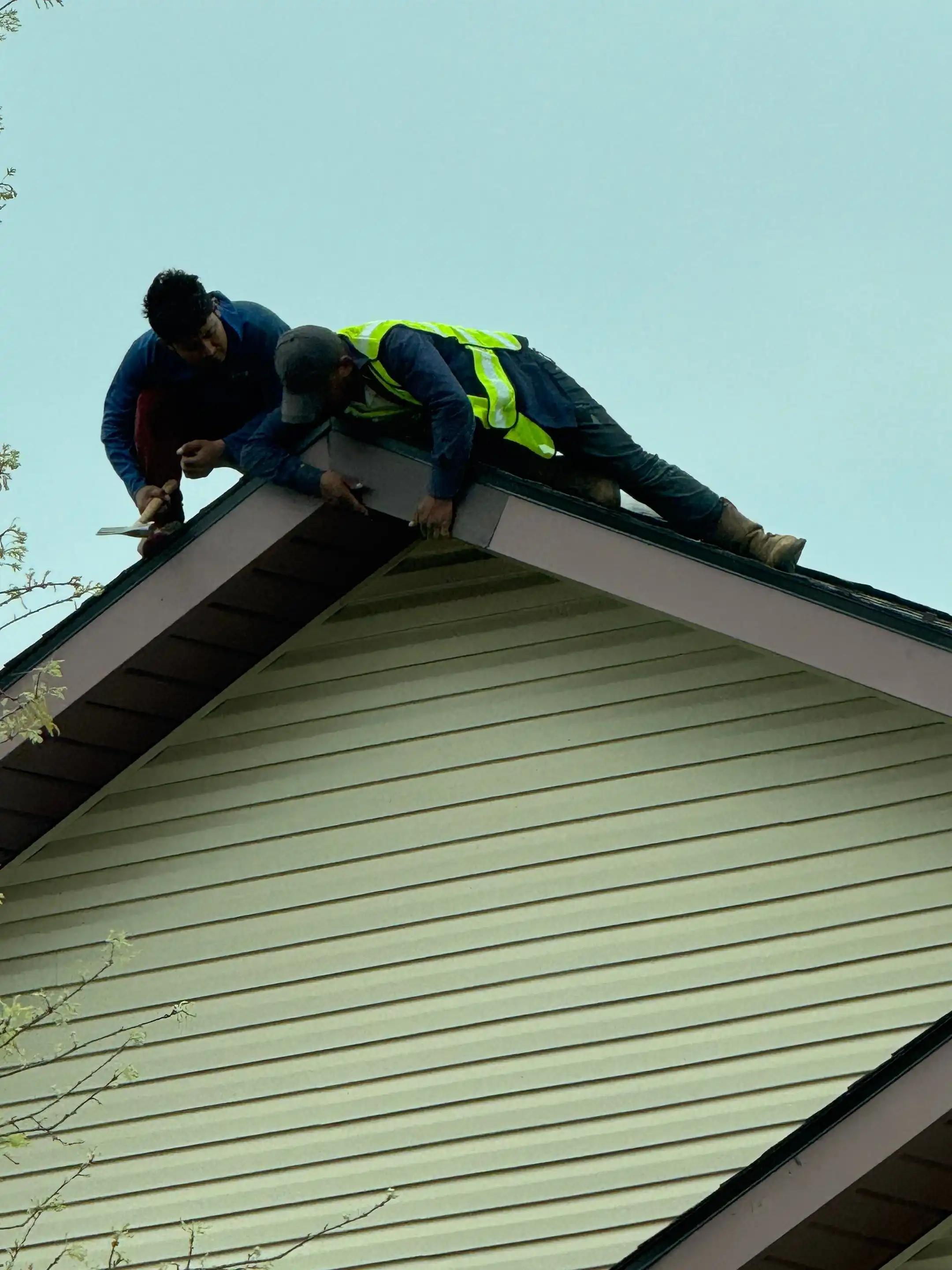
DIY and handyman patches often use the wrong materials for the specific roof system, which compromises the repair. Different membranes require compatible repair methods and materials, and a generic sealant or patch that is not suited to the system may not bond properly or last. Using incompatible materials can even damage the membrane or create new problems. For a Fairmount building, applying the wrong materials is a common reason amateur repairs fail, since a commercial flat roof is a specific system that demands matching repair techniques. A repair that ignores what the roof is made of is unlikely to hold, which is part of why these roofs call for someone who understands them.
Hidden Damage Left Behind
Chasing the drip also leaves hidden damage behind, since a quick patch does not address the water that has already gotten into the roof assembly. Trapped moisture in the insulation and any damage to the deck continue undisturbed beneath a surface patch, quietly worsening even if the visible drip stops for a while. For a Fairmount building, this hidden damage is a serious consequence of not properly diagnosing and fixing a leak, since the problem grows out of sight. A proper repair addresses not just the entry point but any damage the water has caused, while a symptom patch ignores it, allowing the deterioration to continue inside the roof where it is not seen.
Leaks That Keep Coming Back
The predictable result of chasing the drip is a leak that keeps coming back. Because the source was never found and fixed, the water keeps entering, and the leak reappears after each patch, often a little worse each time as hidden damage accumulates. This cycle of patch and return is the hallmark of a leak that has never been properly diagnosed. For a Fairmount building, recurring leaks are the clearest sign that the real source has not been addressed, and they will continue until someone finds and fixes the actual cause. Breaking the cycle requires the proper diagnosis that chasing the drip skips entirely, which is the whole problem.
The Cost of Repeated Failed Fixes
Repeated failed fixes end up costing far more than doing it right the first time. Each failed patch costs money and time, the interior damage grows with every return of the leak, and the hidden deterioration in the roof assembly increases the eventual repair. What seemed like a cheap fix becomes an expensive cycle. For a Fairmount building, the false economy of chasing the drip is real, since the cumulative cost of repeated failures and the growing damage exceeds the cost of a proper diagnosis and repair. Investing in finding the true source once is almost always cheaper than patching the symptom over and over while the underlying problem keeps getting worse.
Why the Quick Fix Costs More
Chasing the drip fails because it patches the wrong spot, seals over the symptom, often uses the wrong materials, leaves hidden damage behind, and produces leaks that keep coming back, all of which cost more than doing it right. The lesson is clear, finding the true source is the only path to a lasting, cost effective fix on a Fairmount building.
Break the Cycle With Fairmount Commercial Roofing
Tired of patches that do not last? Call Fairmount Commercial Roofing at (765) 676-3491 for a free inspection of your Fairmount flat roof. We find and fix the real source instead of chasing the drip, so you stop paying for failed patches and finally put the leak behind you.